


Regulatory Science Tools Catalog
The Regulatory Science Tools Catalog provides a peer-reviewed resource for use where standards and qualified Medical Device Development Tools (MDDTs) do not yet exist. These tools do not replace FDA-recognized standards or MDDTs. This catalog collates a variety of regulatory science tools that the FDA's Center for Devices and Radiological Health's (CDRH) Office of Science and Engineering Labs (OSEL) developed. If you are considering using a tool from this catalog in your marketing submissions, note that these tools have not been qualified as Medical Device Development Tools and the FDA has not evaluated the suitability of these tools within any specific context of use. You may request feedback or meetings for medical device submissions as part of the Q-Submission Program.

This regulatory science tool is a lab method that may be helpful while evaluating high intensity therapeutic ultrasound (HITU) devices.

This regulatory science tool (RST) describes a method to characterize digital image quality on optical see-through augmented reality head-mounted displays (AR HMDs) in ambient lighting conditions. The method can be implemented to measure AR display performance, such as Michelson contrast and contrast uniformity.

This regulatory science tool comprises a computer model of a human action potential, which includes the effects of heart failure (HF) and the anti-arrhythmic drugs amiodarone (AM) and d-sotalol (DS).
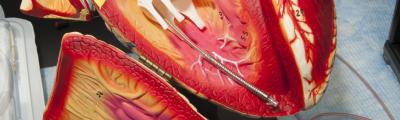
This regulatory science tool is a lab method tool used for simulating target clinical use patient conditions on the bench using a mock circulatory loop in conjunction with the ISO 14708-5 standard specifications for circulatory support devices.
This regulatory science tool is a lab method in the form of a physical mock circulation loop (MCL) used for simulating peripheral radial pressure waveforms.
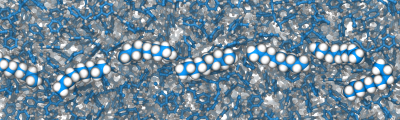
This regulatory science tool is a model for establishing analyte recovery in chemical characterization studies following liquid-liquid extraction.

This regulatory science tool is a lab method that computes bone microstructure metrics to characterize bone morphology and skeletal geometry.
This regulatory science tool is a method for measuring the line spread function (LSF) and calculating the modulation transfer function (MTF) for head mounted displays (HMDs).
This regulatory science tool presents a method to measure the radially variant contrast on virtual reality head-mounted displays (VR HMDs) using circular concentric ring patterns, which can be implemented to characterize image quality, including Michelson contrast and effective resolution, on VR HMDs equipped with optical lenses.

This regulatory science tool presents a method (web-based decision tree) that may help developers select appropriate metric and endpoint for Artificial Intelligence (AI) / Machine learning (ML) classification algorithms in medical imaging.
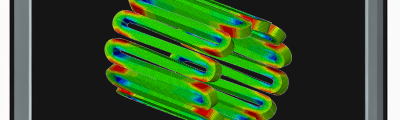
This regulatory science tool presents Python-based software for evaluating computer models that predict the number of COVID-19 deaths or hospitalizations expected in a specific locality.

This regulatory science tool presents an open-access dataset tool for the assessment of wearable technology deriving gait parameters.
This regulatory science tool presents a set of tissue-mimicking phantoms suitable for benchtop performance assessment of photoacoustic imaging (PAI) devices.
This regulatory science tool presents a method for assessing credibility of patient-specific computational models implemented in medical device software.
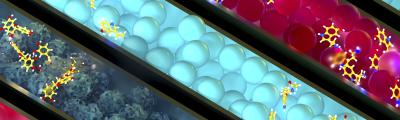
This regulatory science tool is a method that applies the ISO 10993-17 toxicological risk assessment approach to medical device extractables screening data to assess systemic toxicity, genotoxicity, carcinogenicity, or reproductive/developmental toxicity in the biocompatibility evaluation of a medical device.
Chemicals List for Analytical Performance (CLAP)
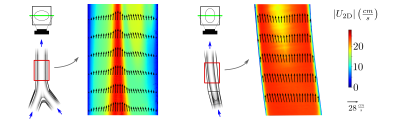
This tool provides a benchmark validation data set for laminar flow in an anatomical vascular model of the inferior vena cava (IVC).

This RST contains a set of machine or deep learning algorithms which can be utilized in the development of relevant medical devices to assist in the prediction of traumatic brain injury (TBI) and stroke according to resting electroencephalography (EEG).
The 3D human induced pluripotent stem cell-derived cardiomyocyte (hiPSC-CM) Cardiac Contractility Modulation (CCM) Tool, 3D hiPSC-CM CCM Tool, is a laboratory method that includes detailed characterization and protocols for evaluating contractile response in healthy 3D hiPSC-CM models. The core elements of this tool include the ability to perform in vitro CCM contractility assays, including contraction force and kinetics, in 3D hiPSC models for various known and unknown electrophysiology pulse waveform parameters and combinations.
This RST is a database tool consisting of nine mock circulation loop (MCL)-generated datasets for characterizing three dynamic attributes of pressure-based cardiac output monitoring systems that apply an algorithm to intra-radial arterial blood pressure waveforms for cardiac output and stroke volume variation measurements.